
New Jersey's Skip the Stuff law is now in effect—and Clean Water Action helped make it happen!
Through our ReThink Disposable program and the leadership of Marta Young, Clean Water Action's New Jersey Deputy Director, we played a leading role in helping pass NJ's Skip the Stuff law to reduce unnecessary single-use food-service trash. Now we're taking the next step.
We are working with communities across New Jersey to help show what this law means in practice.
We have created a Skip the Stuff: NJ Town Case Study Guide to give residents, students, youth groups, community organizations, environmental commissions, Green Teams, and local leaders the tools to conduct a simple town-wide case study of restaurants and other food-service businesses. By talking with restaurant owners and managers, collecting a few key pieces of information, and returning for a follow-up, you can help document:
- Money saved by businesses
- Single-use items no longer being handed out
- Trash prevented
- How businesses are adapting
- How customers are responding
- What Skip the Stuff looks like in real New Jersey communities
- From passing the law to proving the impact.
Clean Water Action has been working with communities and businesses for years to reduce single-use waste through ReThink Disposable. The statewide Skip the Stuff law builds on that work by changing the default: instead of automatically giving customers disposable items they may not want or use, businesses can provide them when customers actually need them.
Now, your community can help us document the results.
Before You Get Started
This case study project is being coordinated by Clean Water Action and Clean Water Fund through our ReThink Disposable program. We developed this project to help communities document the impact of New Jersey’s Skip the Stuff law, building on our years of work with businesses and our role in advancing the statewide law.
If you are interested in conducting a town case study, please contact us first. Do not begin outreach to restaurants or conduct the case study independently. Our team will review, provide guidance, and coordinate next steps before you begin.
What is Skip the Stuff?
Skip the Stuff changes the default.
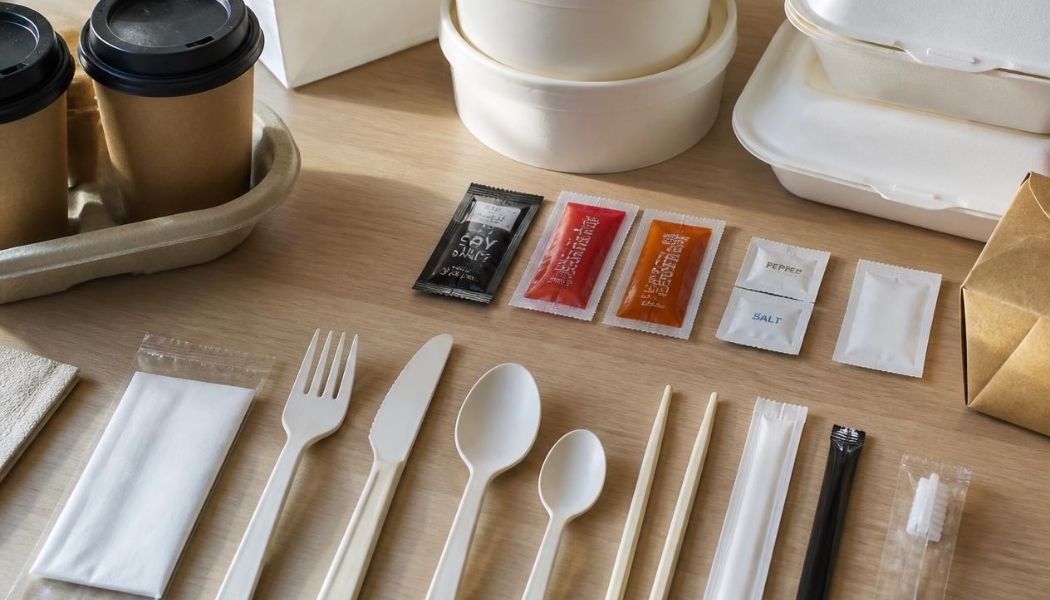
Instead of automatically receiving disposable forks, knives, spoons, chopsticks, condiment packets, and other covered single-use items with a takeout or delivery order, customers request what they actually need.
That means:
Need it? Ask for it.
Don't need it? Skip it.
For businesses that are allowed to provide single-use items upon request, customers can request the specific types and quantities they need. Businesses can also use individual-item self-service dispensers or stations where permitted.
Online ordering systems must also make "no utensils or condiments" the default, with customers actively choosing the items they want.
For full-service restaurants with seating for 10 or more customers, the law also requires reusable, washable utensils for customers eating on-site.
Beginning August 1, 2027, bundled packages containing more than one type of single-use utensil or condiment will no longer be permitted.
For complete legal requirements and exemptions, consult the New Jersey Department of Environmental Protection's current guidance.
Why Conduct a Case Study?
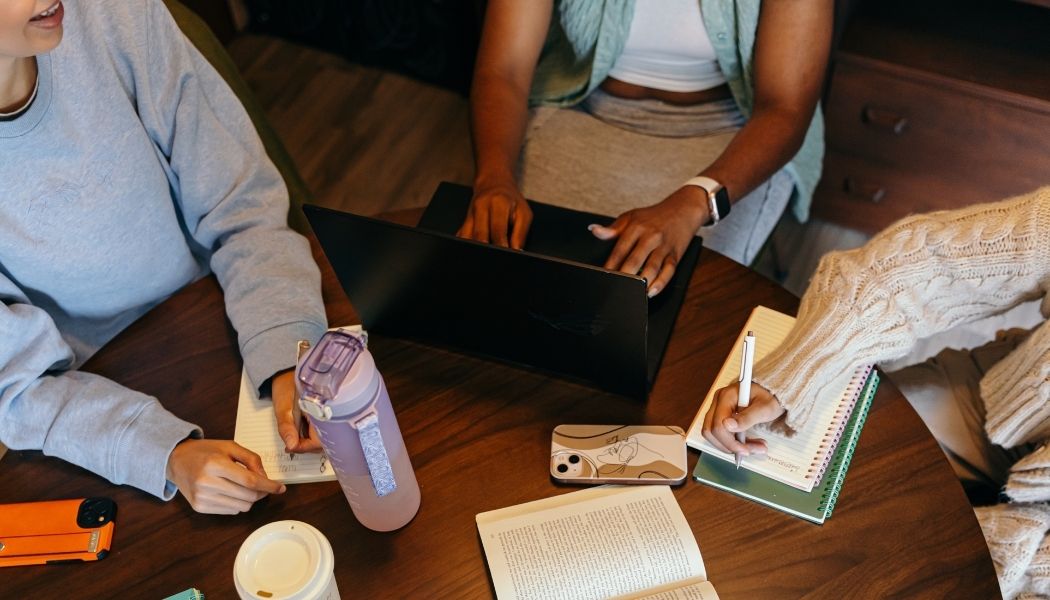
A law is only as powerful as its implementation. Case studies give communities a way to move beyond the question of "Are restaurants complying?" and ask a more important question:
"What benefits are we seeing because restaurants are complying?"
The answer can include real-world savings, trash prevention, and changes in customer behavior.
Clean Water Action's ReThink Disposable program conducted a case study in Red Bank after the borough adopted its local Skip the Stuff ordinance:
- The study visited 29 restaurants and found a 94% reduction in single-use cutlery and condiments among businesses following the policy.
- The study estimated that 16 compliant restaurants were preventing approximately 1.58 million pieces of single-use cutlery (more than 10,000 pounds) from entering the waste stream each year.
Now that Skip the Stuff is statewide, we need more local stories.

Who Can Conduct a Case Study?
Clean Water Action and Clean Water Fund are inviting residents, students, youth groups, community organizations, Green Teams, environmental commissions, and municipal leaders to work with us on a Skip the Stuff town case study.
You don't need to be an expert. All participating communities must connect with Clean Water Action before beginning the case study process.
A few helpful hints on participating:
- Be friendly. You're there to learn, not to catch anyone doing something wrong.
- Lead with the benefits. Restaurant owners and managers are busy. Explain early that the purpose is to understand potential cost savings and waste reduction.
- Be respectful of their time. Five minutes can be enough.
- Talk to a decision-maker. Managers and owners are often best positioned to explain purchasing, ordering, and operational changes.
- Don't pressure anyone. If someone is unavailable or doesn't want to participate, thank them and move on.
- Document what you actually observe. Don't assume what is inside a takeout bag. Ask questions and, when appropriate, ask to see the materials being provided.
- More data is better. A larger and more diverse sample will make your town's results more meaningful.

What You'll Do
1. Plan your sample
Identify a representative group of restaurants and food-service businesses in your community.
2. Visit businesses
Try to speak with an owner or manager. Avoid peak meal times and keep the conversation short. Most visits should take only about 5 to 8 minutes.
3. Ask the questions
Use the printable Case Study Guide to collect information about takeout volume, cutlery, condiment distribution, and current practices.
4. Take good notes
Record what you observe as well as what the business tells you. If possible, ask to see the actual cutlery or condiment setup so you can accurately document whether items are provided individually or in bundles.
5. Return later
A follow-up visit can help measure changes over time and identify businesses that are saving money and preventing waste.
6. Tell the story
Once the data is collected, your town can create a case study showing the results.
What Benefits Should You Look For?
Money saved
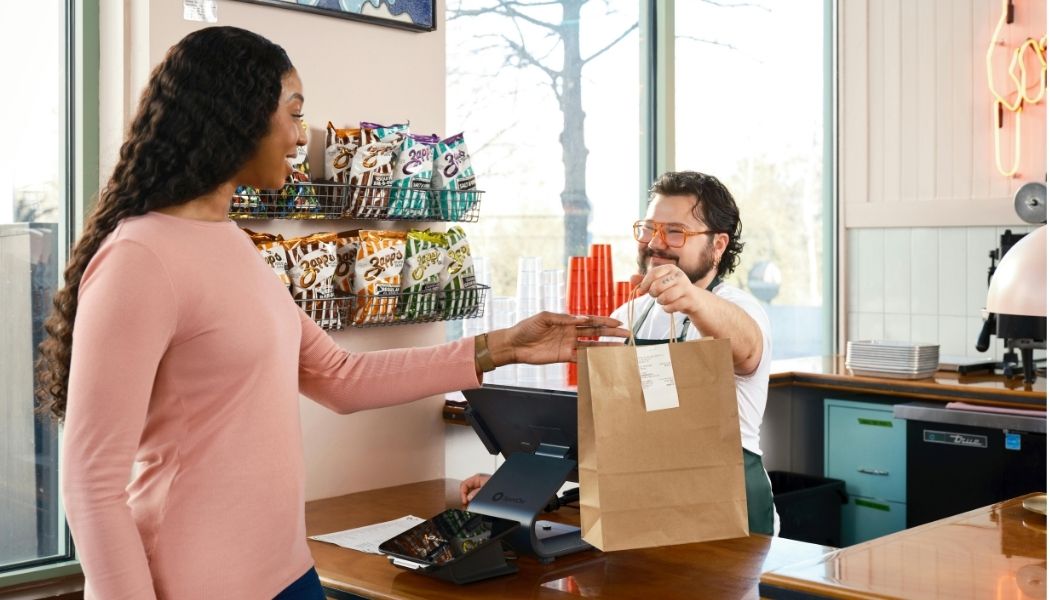
Businesses may save money when they stop automatically purchasing and distributing items customers don't want or use. Red Bank businesses reported significant savings after implementing Skip the Stuff, with restaurant owners describing the change as a way to save money while reducing waste.
Less waste
When fewer disposable items are handed out, fewer items need to be thrown away.
Cleaner communities and waterways
Reducing unnecessary single-use food-service items can help prevent litter from reaching streets, storm drains, waterways, beaches, and the ocean.
Happier customers
Many customers don't want extra plastic utensils and condiment packets. They end up in the trash or sitting in a kitchen "junk drawer." Skip the Stuff simply lets people get what they need.

Get Started!
Interested in conducting a Skip the Stuff town case study? Start by contacting Clean Water Action.
This is a Clean Water Action and Clean Water Fund ReThink Disposable project, and all town case studies should be coordinated with our team before outreach to businesses begins.
We want to work with you to:
- Confirm your community and proposed project
- Help you identify the best businesses to include
- Provide guidance on outreach and data collection
- Coordinate the case study process
- Help interpret and share your results
Please do not begin contacting restaurants or collecting data until you have connected with our team and received approval to proceed.

Meet the Leader Behind the Work
Marta Young, Clean Water Action's New Jersey Deputy Director, has led Clean Water Action's work to reduce single-use trash and advance Skip the Stuff in New Jersey through our ReThink Disposable program. Now, Marta and the Clean Water Action team are helping communities document the law's impact.
Together, we can show that Skip the Stuff isn't just about reducing waste. It's about saving money, changing habits, and preventing unnecessary trash before it starts!
Contact Us to Get Started
Learn More About ReThink Disposable
